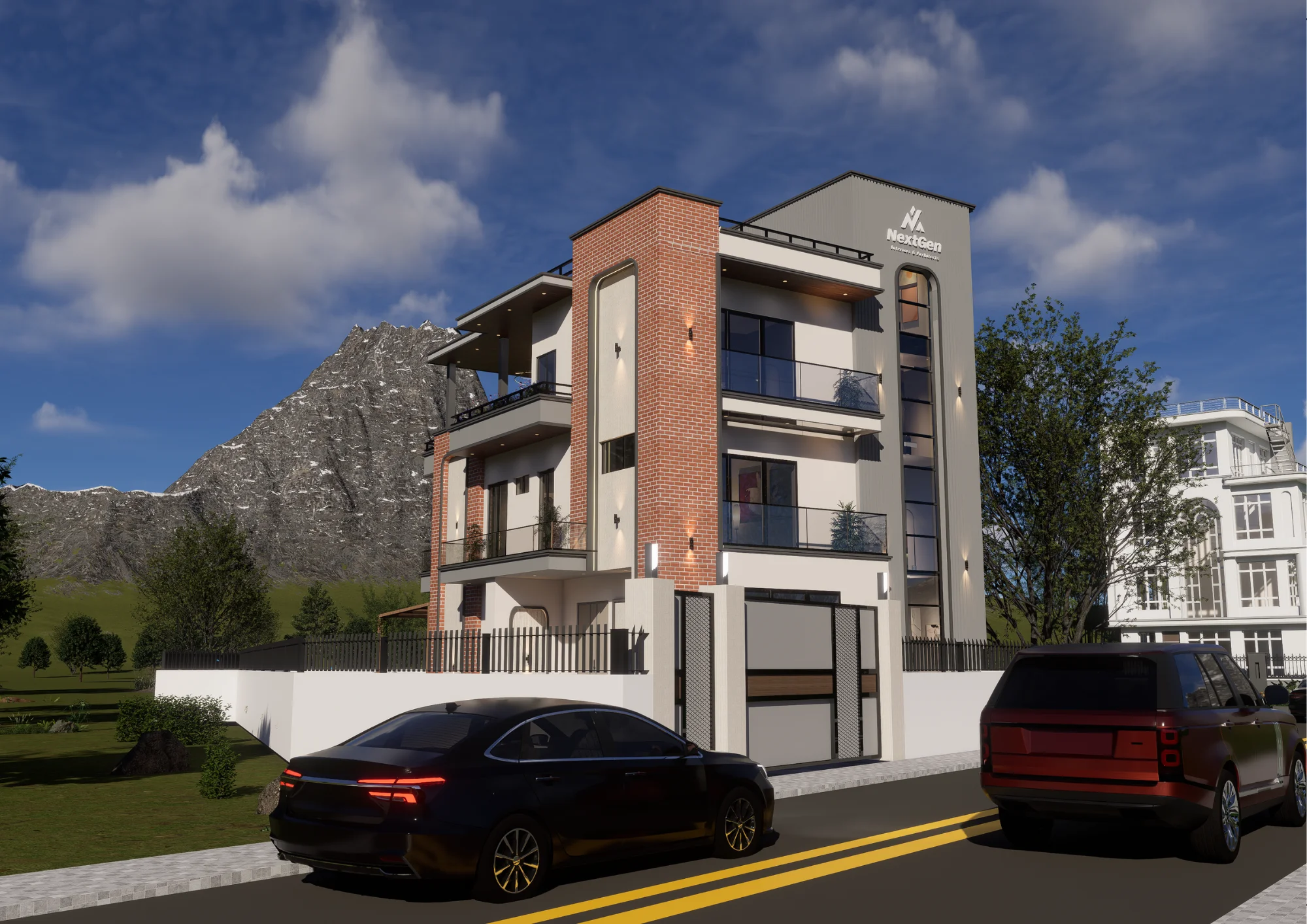
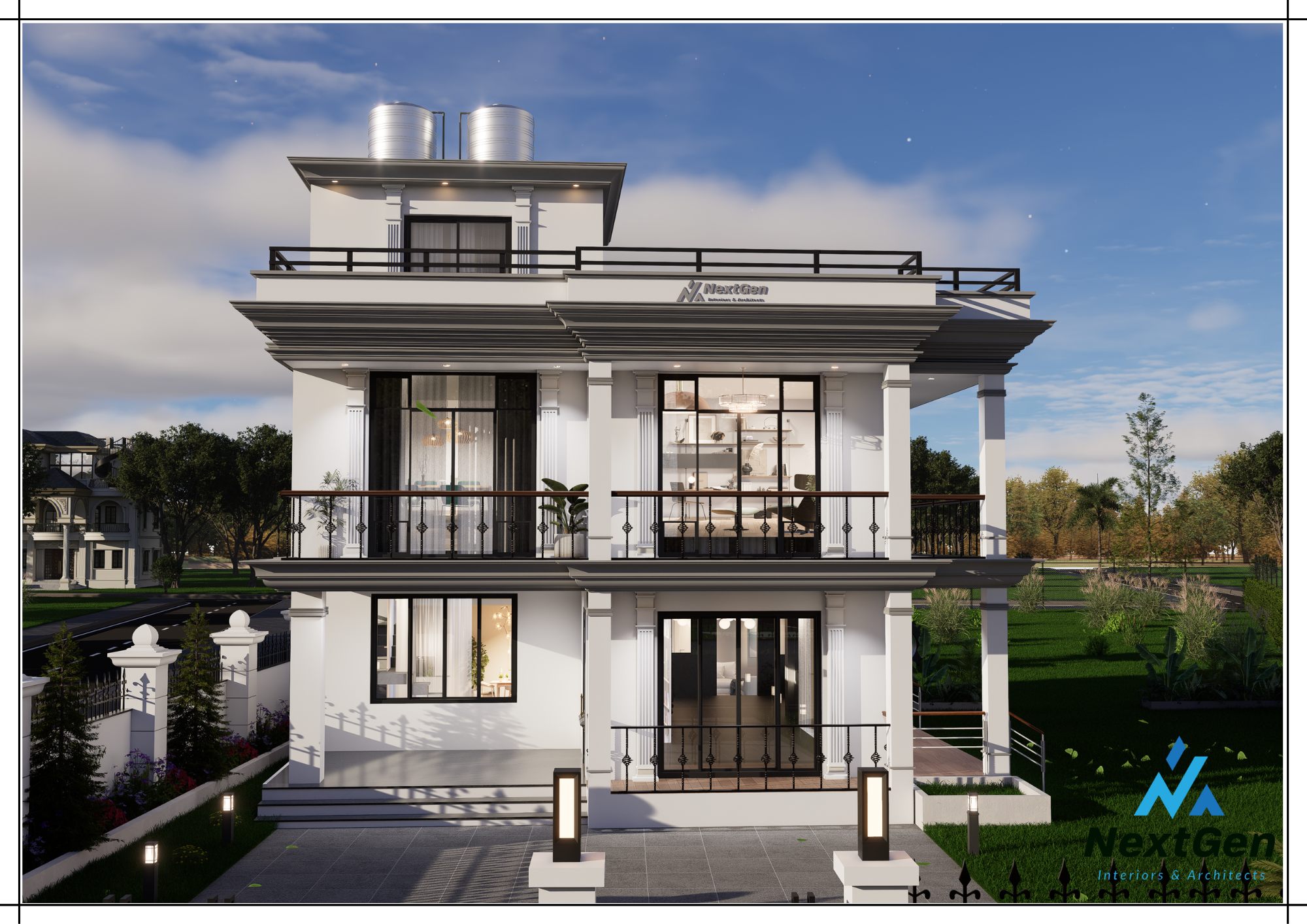
Nepal’s geography gives farmhouse design a dimension most countries can only dream about. A farmhouse in Chitwan sits at the edge of a forest. One in Pokhara looks toward Machapuchare. In the Valley periphery — Khokana, Godavari, Tokha hills — you get altitude, views, and still-agricultural land. Designing well for these contexts is a distinct discipline.
01WHAT MAKES A NEPALI FARMHOUSE DIFFERENT
The Nepali farmhouse brief combines things that elsewhere are contradictory: a connection to working land and animals alongside contemporary comfort. Families who commission farmhouses in Nepal are often urban professionals who want a weekend or retirement property that still functions as a productive piece of land — fruit orchards, vegetable gardens, perhaps fish ponds.
This dual function changes everything about the design: mudrooms, boot storage, separate guest wings, outdoor washing areas, utility spaces that are fully equipped but visually separated from the living experience.
02DESIGN PRINCIPLES FOR NEPAL FARMHOUSES
- Single storey or low-profile. In open landscape, multi-storey farmhouses look urban and feel wrong. A well-designed single-storey or 1.5-storey farmhouse with generous covered verandas reads as rooted and confident in its setting.
- Deep overhangs. Nepal’s monsoon is intense. A 900mm–1200mm overhang keeps walls dry, prevents window leaks, and creates shaded outdoor space usable even in heavy rain.
- Cross-ventilation as a priority. Without a reliance on air conditioning, farmhouse interiors need to be designed for air movement. Rooms should have openings on two walls where possible; the main living area should catch the prevailing breeze.
- Local material palette. Stone from the nearest quarry, timber from the district’s forests, fired brick from local kilns. These materials are not just economical — they look right in their landscape in a way that imported tiles never do.
- Working outdoor spaces. Covered kitchen garden, composting area, tool storage, a proper barn or animal shed if applicable. Farmhouses that do not plan for these end up with agricultural chaos adjacent to the living space.
03POPULAR FARMHOUSE LOCATIONS IN NEPAL
- Chitwan district — warm climate, flat land, proximity to forest. Popular with Kathmandu families wanting a terai retreat. Our Chitwan Home project is a good reference for this typology.
- Pokhara / Kaski — cooler, mountain views, increasingly popular as domestic tourism grows. Farmhouses here often double as small homestays.
- Valley periphery (Tokha, Khokana, Godavari, Bhaktapur outskirts) — still within commuting distance of Kathmandu, but with land and views. The fastest-growing segment of our farmhouse inquiries.
- Dhulikhel / Kavrepalanchok — panoramic Himalayan views, cooler climate, good road access. Very popular for weekend farmhouses.
04FARMHOUSE CONSTRUCTION COSTS IN NEPAL
Farmhouses in Nepal typically cost less to build per square foot than urban homes — lower land cost, simpler structure, more locally sourced materials. A rough guide:
- Basic farmhouse (stone, brick, simple finishes): Rs. 2,500–3,500 per sq ft
- Mid-range (stone + timber + decent bathroom finishes): Rs. 3,500–5,000 per sq ft
- Premium (high-quality materials, custom furniture, landscaped garden): Rs. 5,500+ per sq ft
Planning a farmhouse in Nepal? We have designed farmhouses and rural residences across the country. Every project starts with a site visit — context is everything in this typology.
Tell us about your land and we will advise on the best approach.