Getting a house designed in Kathmandu is a bigger decision than most people expect. The wrong choices in the early stages — plot orientation, structural system, floor-plate layout — will cost you far more to fix later than the entire design fee combined. Here is what every homeowner in Kathmandu needs to know before starting.
01START WITH THE PLOT, NOT THE PINTEREST BOARD
Most homeowners arrive at a design consultation with images they have saved on their phone. Those are useful later. What matters first is the plot analysis: which direction does it face, where does the morning sun hit, what are the neighbouring buildings, what are the setback rules in your zone, is the road widening likely in the next ten years?
In Kathmandu, road access and setback regulations have changed significantly after the 2015 earthquake. Before a single line is drawn, confirm your plot’s current bylaws with a registered architect. Building without this check can result in demolition orders or inability to register the completed house.
02THE TYPICAL HOUSE DESIGN PROCESS IN KATHMANDU
- Feasibility & brief (week 1–2): Site visit, measurement, understanding your family’s needs, budget frame, and Vastu requirements if any.
- Concept design (week 3–5): Floor plan options, massing sketches, rough material palette. You should see 2–3 alternatives at this stage.
- Design development (week 6–10): Refined drawings, structural coordination, MEP (mechanical, electrical, plumbing) layout, preliminary bill of quantities.
- Municipal approval drawings (week 10–14): These are submitted to Kathmandu Metropolitan City or your local municipality. Current approval timelines range from 3 to 8 weeks depending on the office.
- Construction drawings & supervision: Detailed drawings issued to the contractor. The design team visits regularly during construction to ensure specification compliance.
- Interior fit-out (overlaps with late construction): Flooring, cabinetry, bathroom finishes, lighting, furniture.
03POPULAR HOUSE STYLES IN KATHMANDU IN 2026
The Valley’s residential architecture has evolved rapidly over the last decade. The most common styles we are building:
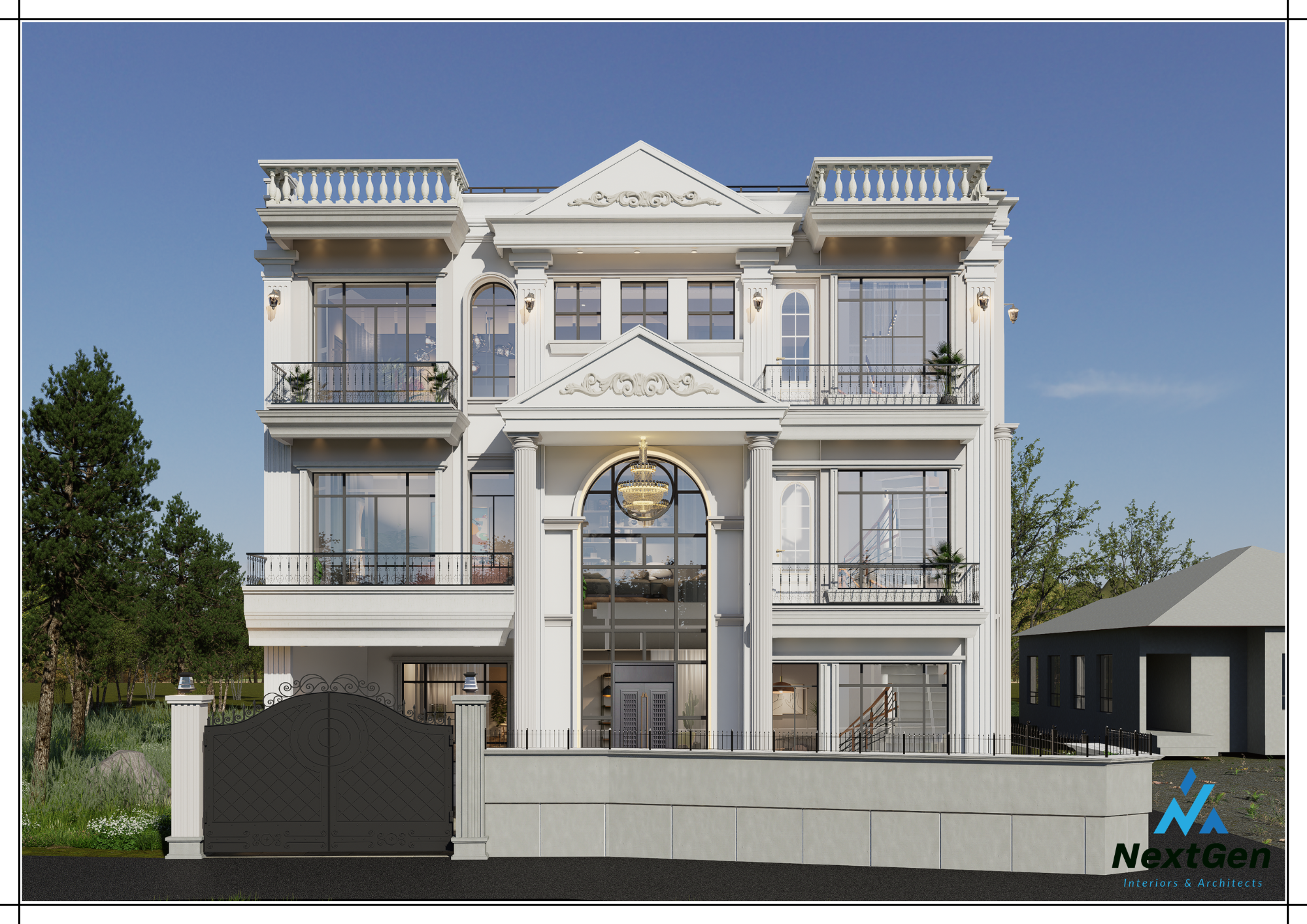
- Modern flat-roof villa — clean geometric volumes, large glass openings, rooftop terrace. Popular in Tokha, Budhanilkantha, and Sitapaila.
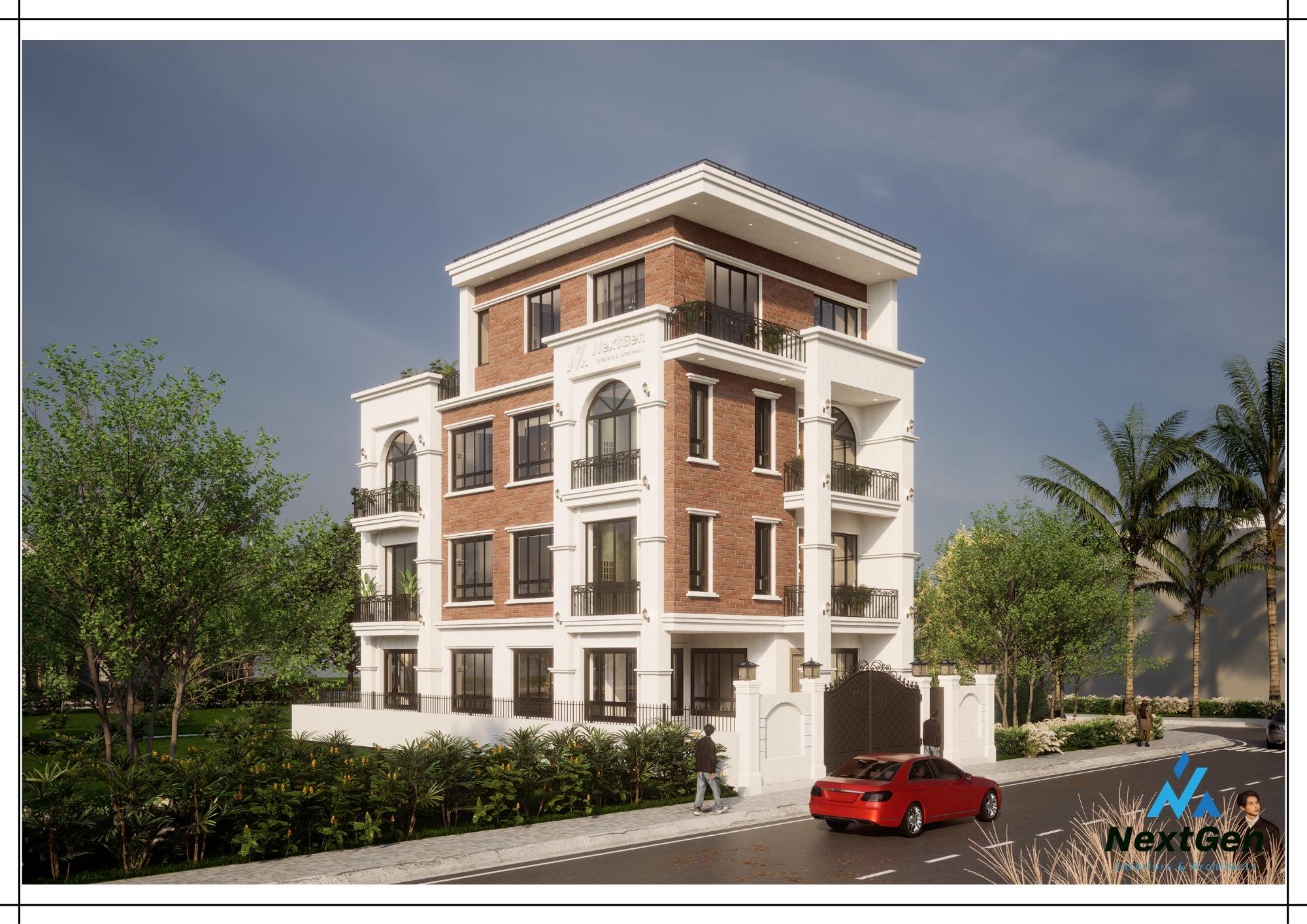
- Contemporary with traditional elements — modern structure with Newari-inspired brick coursing, timber screens, or sloped-roof elements. Works beautifully in the ring-road periphery where there is more land.
- Compact urban home — designed for 2.5–5 anna plots within the ring road. Maximises vertical space, prioritises privacy, uses light wells instead of large windows facing neighbours.
- Eco-passive home — south-facing for solar gain, thick insulation, rainwater harvesting. Interest is growing but still a small share of commissions.
04MATERIAL CHOICES FOR KATHMANDU HOMES
Material selection for Kathmandu needs to account for seismic risk, humidity variation between monsoon and winter, and long-term availability of spare materials for repair. Our recommendations:
- Structure: RCC (reinforced concrete) frame with brick masonry infill remains the standard. Ensure your structural engineer specifies Fe500 steel and proper curing protocols — poor curing is the single biggest quality issue we see on site.
- Exterior finish: Exposed brick or stone cladding outperforms paint over time in Kathmandu’s monsoon cycle. If using paint, specify a weatherproof elastomeric product and budget for repainting every 5–7 years.
- Flooring: Vitrified tiles for living areas (low maintenance), hardwood or engineered wood for bedrooms, natural stone for bathrooms and entry areas.
- Windows: uPVC or aluminium frames with 5mm float glass minimum. Double-glazing is increasingly specified in upper-floor rooms for noise and thermal performance.
05HOW TO BUDGET A HOUSE IN KATHMANDU
Construction costs in Kathmandu in 2026 range from Rs. 3,500 to Rs. 7,000+ per square foot of built area, depending on finish level. This excludes land, site development, and interior furniture. A 2,500 sq ft home with a mid-range finish typically costs Rs. 1.1–1.5 crore in construction alone.
Design and supervision fees are separate: budget 5–10% of construction cost for a full service firm that draws, approves, and supervises your build.
Thinking about building or redesigning your home in Kathmandu? The biggest mistake most owners make is rushing to a contractor before the design is complete. Get the design right first.
We have designed homes across the Kathmandu Valley — from 3-anna plots in Patan to hillside villas in Budhanilkantha. Talk to our team or reach us at +977 9849151220.