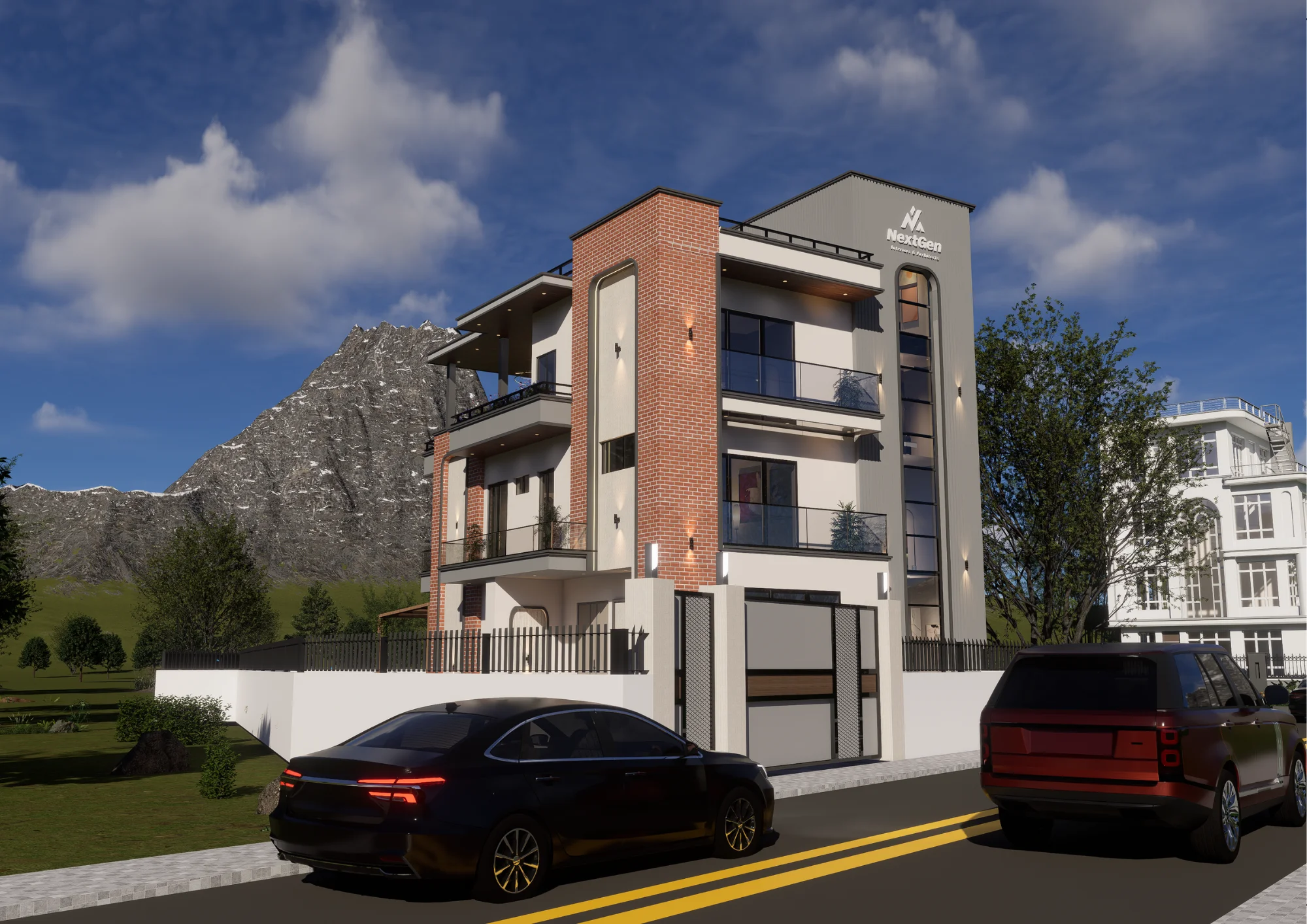
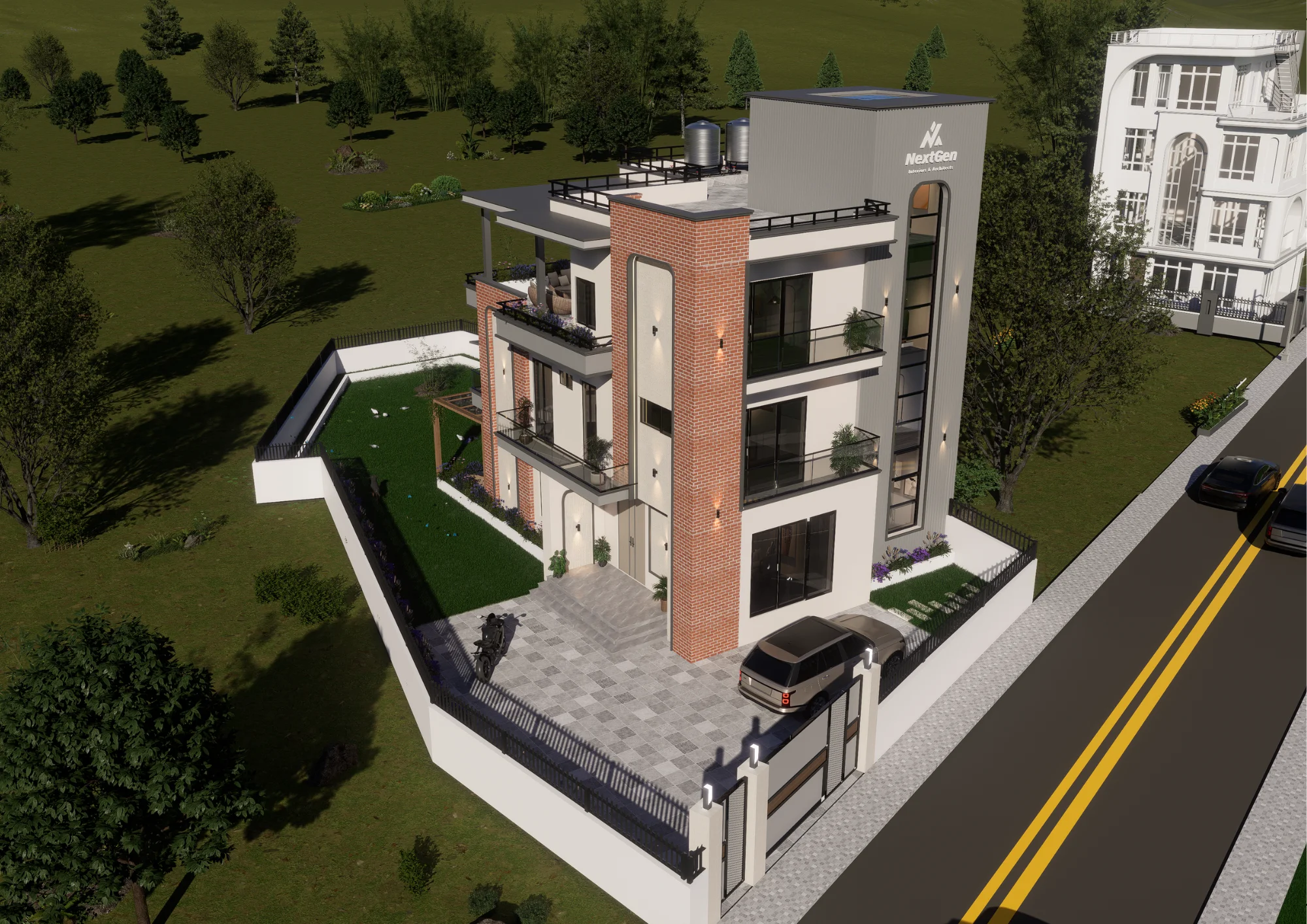
Luxury in a Nepali home has changed. Ten years ago it meant Italian marble and a chandelier. Today’s premium residences in Nepal are defined by precision, material quality, spatial generosity, and the invisible architecture of technology — not by what you can see at first glance, but by what you experience over time.
01SPATIAL GENEROSITY: THE FIRST MARKER OF LUXURY
Volume is the primary luxury. High ceilings (10 feet minimum, 12–14 feet in key rooms) cost relatively little in construction but change the feel of a space completely. A double-height living room, a void above a staircase, a 4-metre bedroom — these spatial decisions, made at the structural design stage, are what separate genuinely premium homes from decorated ordinary ones.
Generous circulation matters too. A 3-foot corridor feels like a service passage; a 5-foot one feels like part of the house. Premium homes budget for this: wider hallways, a proper entrance lobby, transition spaces between rooms.
02MATERIAL QUALITY IN LUXURY RESIDENCES
Three materials that define premium residential design in Nepal right now:
- Imported natural stone — Italian Calacatta marble for bathrooms and kitchen surfaces, Indian grey granite for outdoor areas. When specified and finished properly, these materials look as good at twenty years as they do at installation.
- Custom solid-wood joinery — wardrobes, kitchen cabinetry, library walls in teak or walnut, not MDF wrapped in laminate. The feel and smell of solid wood is one of the most immediate luxury cues there is.
- Handcrafted metalwork — brass fixtures, custom-forged steel handrails, copper accents. Nepal has superb metal craftspeople; using their work in contemporary contexts produces results that cannot be replicated with imported hardware.
03LIGHTING DESIGN IN PREMIUM NEPAL RESIDENCES
Lighting is the most underspecified element in Nepali residential design, at every budget level. In luxury homes, lighting design is treated as architecture:
- Layered light — ambient, task, and accent lighting on separate circuits and dimmers in every room
- Architectural fixtures — concealed cove lighting, wall-washing, niche illumination built into the structure, not added as an afterthought
- Scene control — preset lighting scenes for dining, entertainment, relaxing, sleeping, all manageable from a single panel or phone app
- Outdoor lighting — uplighting trees and facade elements, pathway lighting, pool and water feature illumination where applicable
04SMART HOME INTEGRATION IN KATHMANDU
Smart home technology has become genuinely usable in Kathmandu even given load-shedding, because battery backup systems (solar inverters) and smart home controllers are now reliably available locally. Premium residences we design in 2026 typically include:
- Centralised lighting control (Lutron, Legrand, or local equivalent)
- Video door phone and remote-access gate
- CCTV with remote monitoring
- Multi-zone audio (hidden speakers, centralised source)
- Automated curtains in master bedroom and main living areas
Planning a luxury residence in Nepal? We have designed some of the most refined private homes in the Kathmandu Valley. Our process is thorough: we do not begin construction documents until every material, fitting, and finish has been selected and sourced.